In today’s digital era, data is generated at an unprecedented pace. Every click, search, purchase, and interaction contributes to a massive pool of information. This explosion of data has given rise to the concept of Big Data, a powerful force transforming industries, businesses, and decision-making processes worldwide.
For beginners, understanding Big Data may seem overwhelming. However, with the right guidance, anyone can grasp its core concepts, explore the tools used to manage it, and discover its real-world applications. This comprehensive guide will walk you through everything you need to know about Big Data in a clear and practical way.
What is Big Data?
Big Data refers to extremely large datasets that cannot be easily processed using traditional data management tools. These datasets come from various sources, including social media, sensors, financial transactions, and more.
Big Data is commonly defined by the 5 Vs:
1. Volume
This refers to the massive amount of data generated every second. From terabytes to petabytes, organizations must handle enormous data sizes.
2. Velocity
Data is produced and processed at high speed. Real-time or near real-time processing is often required.
3. Variety
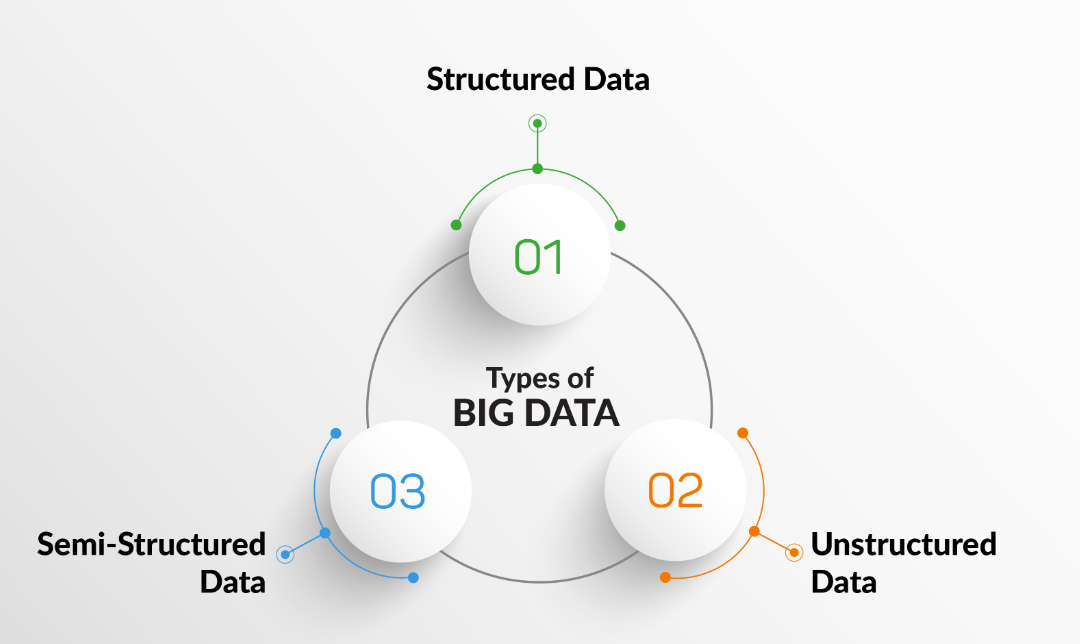
Data comes in multiple formats:
- Structured (databases)
- Semi-structured (JSON, XML)
- Unstructured (images, videos, text)
4. Veracity
Data quality and accuracy are critical. Inconsistent or incomplete data can lead to poor decisions.
5. Value
The ultimate goal of Big Data is to extract meaningful insights that drive business value.
Why Big Data Matters
Big Data plays a crucial role in modern organizations. It enables companies to:
- Make data-driven decisions
- Improve customer experience
- Optimize operations
- Detect fraud and risks
- Innovate products and services
For example, e-commerce platforms analyze customer behavior to recommend products, while healthcare systems use data to improve diagnostics and patient care.
Key Concepts in Big Data
To understand Big Data more deeply, you need to be familiar with several foundational concepts.
1. Data Analytics
Data analytics involves examining datasets to uncover patterns, correlations, and insights. There are four main types:
- Descriptive Analytics: What happened?
- Diagnostic Analytics: Why did it happen?
- Predictive Analytics: What will happen?
- Prescriptive Analytics: What should be done?
2. Data Mining
Data mining is the process of discovering patterns and relationships within large datasets using algorithms and statistical techniques.
3. Machine Learning
Machine learning is a subset of artificial intelligence that allows systems to learn from data and improve over time without explicit programming.
4. Data Warehousing
A data warehouse is a centralized repository where data from multiple sources is stored and organized for analysis.
5. Data Lakes
Unlike data warehouses, data lakes store raw data in its original format, making them flexible for future analysis.
Big Data Architecture
Big Data systems are built using a layered architecture:
1. Data Sources Layer
This includes all sources of data such as:
- IoT devices
- Social media
- Transactional systems
- Logs and sensors
2. Data Ingestion Layer
Data is collected and imported into the system using tools that handle both batch and real-time ingestion.
3. Storage Layer
Data is stored in distributed systems that can scale horizontally.
4. Processing Layer
Data is processed using frameworks that support large-scale computation.
5. Analytics Layer
This layer extracts insights using analytics tools and machine learning models.
6. Visualization Layer
Data is presented in dashboards, charts, and reports for easier interpretation.
Popular Big Data Tools
Understanding the tools used in Big Data is essential for beginners. Here are some of the most widely used technologies:
1. Apache Hadoop
Hadoop is an open-source framework designed for distributed storage and processing of large datasets. It consists of:
- HDFS (Hadoop Distributed File System)
- MapReduce (processing engine)
2. Apache Spark
Spark is a fast, in-memory data processing engine that supports real-time analytics and machine learning.
3. Apache Kafka
Kafka is a distributed streaming platform used for real-time data pipelines and streaming applications.
4. NoSQL Databases
NoSQL databases are designed for flexible data storage. Examples include:
- MongoDB
- Cassandra
- Redis
5. Data Visualization Tools
Tools like dashboards and BI platforms help present data insights clearly.
6. ETL Tools
ETL (Extract, Transform, Load) tools are used to move data from source systems into storage systems for analysis.
Big Data Processing Techniques
Big Data can be processed using different approaches depending on the use case.
1. Batch Processing
- Processes large volumes of data at once
- Suitable for historical data analysis
- Example: nightly data processing jobs
2. Real-Time Processing
- Processes data instantly as it arrives
- Used in applications like fraud detection and live analytics
3. Stream Processing
- Continuous processing of data streams
- Used in IoT, financial markets, and social media monitoring
Applications of Big Data
Big Data is transforming multiple industries. Let’s explore some key applications:
1. Healthcare
- Predicting diseases
- Improving patient care
- Personalized treatment plans
2. Finance
- Fraud detection
- Risk management
- Algorithmic trading
3. Retail and E-commerce
- Customer segmentation
- Recommendation systems
- Inventory management
4. Transportation
- Traffic prediction
- Route optimization
- Autonomous vehicles
5. Marketing
- Targeted advertising
- Customer behavior analysis
- Campaign optimization
6. Education
- Personalized learning
- Student performance tracking
- Curriculum improvement
Benefits of Big Data
Big Data offers numerous advantages:
1. Better Decision Making
Organizations can make informed decisions based on real-time data.
2. Cost Efficiency
Optimizing operations reduces costs and improves productivity.
3. Innovation
Data insights lead to new products and services.
4. Competitive Advantage
Companies that leverage Big Data stay ahead of competitors.
Challenges of Big Data
Despite its benefits, Big Data also presents challenges:
1. Data Privacy
Handling sensitive data requires strict security measures.
2. Data Quality
Incomplete or inaccurate data can lead to wrong conclusions.
3. Complexity
Managing large-scale systems requires technical expertise.
4. Storage Issues
Storing massive datasets can be expensive.
5. Integration
Combining data from multiple sources can be difficult.
Big Data vs Traditional Data
| Aspect | Traditional Data | Big Data |
|---|---|---|
| Size | Small to medium | Massive |
| Structure | Structured | Structured & unstructured |
| Processing | Centralized | Distributed |
| Speed | Slower | Real-time or near real-time |
| Tools | SQL databases | Hadoop, Spark |
Getting Started with Big Data
If you are new to Big Data, here are some steps to begin your journey:
1. Learn the Basics
Understand core concepts like data types, analytics, and databases.
2. Choose a Programming Language
Popular options include:
- Python
- Java
- Scala
3. Explore Tools
Start with beginner-friendly tools like:
- Hadoop
- Spark
- SQL databases
4. Practice with Projects
Work on real-world datasets to build hands-on experience.
5. Learn Cloud Platforms
Cloud services offer scalable Big Data solutions.
Future of Big Data
The future of Big Data is promising and continues to evolve rapidly. Key trends include:
1. Artificial Intelligence Integration
AI and Big Data are increasingly interconnected, enabling smarter systems.
2. Edge Computing
Processing data closer to its source reduces latency.
3. Data Democratization
More users can access and analyze data without technical expertise.
4. Increased Automation
Automation simplifies data processing and analysis.
5. Enhanced Security
Advanced security measures protect sensitive data.
Best Practices for Big Data
To maximize the benefits of Big Data, follow these best practices:
- Ensure data quality and accuracy
- Implement strong security measures
- Use scalable infrastructure
- Focus on clear business goals
- Continuously monitor and optimize systems
Conclusion
Big Data is no longer just a buzzword—it is a critical component of modern technology and business strategy. From understanding its core concepts to exploring powerful tools and real-world applications, Big Data offers endless opportunities for innovation and growth.
For beginners, the key is to start with the fundamentals, gain hands-on experience, and gradually explore advanced topics. As data continues to grow in importance, mastering Big Data skills will open doors to exciting career opportunities and transformative solutions across industries.
By embracing Big Data today, you are preparing yourself for the future of technology and data-driven decision-making.