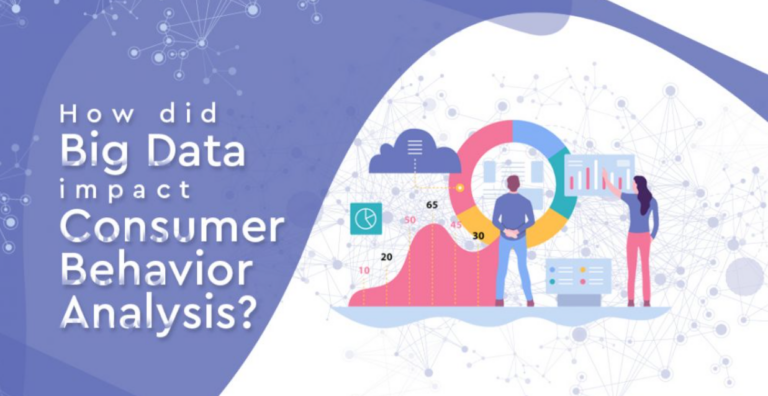
In today’s hyper-connected digital world, data is being generated at an unprecedented scale. Every click, transaction, social interaction, and device activity contributes to a massive pool of information known as big data. Businesses are no longer relying on intuition alone; instead, they are turning to data-driven strategies to stay competitive. This shift has positioned big data as the backbone of modern Business Intelligence (BI).
But why exactly is big data considered the future of business intelligence? The answer lies in its ability to transform raw information into actionable insights, enabling smarter decisions, predictive capabilities, and strategic growth.
This article explores how big data is reshaping BI, its key benefits, technologies involved, real-world applications, and what the future holds.
Understanding Big Data
Big data refers to extremely large and complex datasets that traditional data-processing tools cannot handle efficiently. It is typically defined by the “3 Vs”:
- Volume: Massive amounts of data generated every second
- Velocity: The speed at which data is created and processed
- Variety: Different types of data (structured, unstructured, semi-structured)
Today, two additional Vs are often included:
- Veracity: The accuracy and reliability of data
- Value: The usefulness of data in decision-making
Big data comes from various sources, including:
- Social media platforms
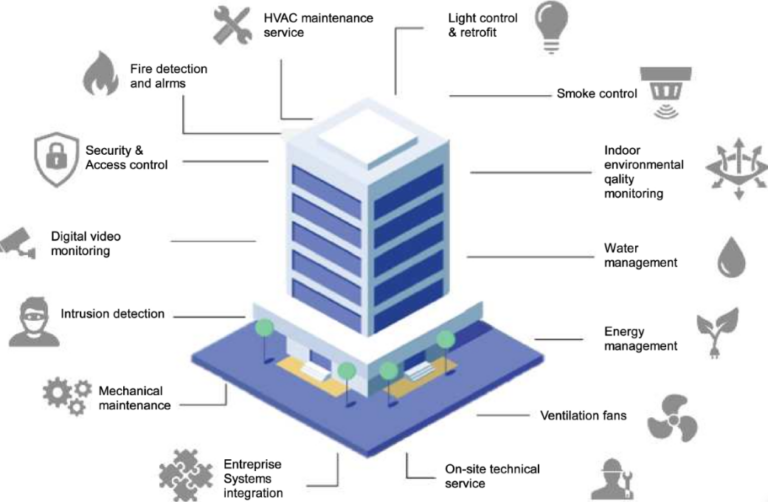
- IoT devices
- Customer transactions
- Mobile apps
- Websites and search engines
This abundance of data provides businesses with opportunities to gain deeper insights than ever before.
What Is Business Intelligence?
Business Intelligence (BI) refers to technologies, processes, and tools used to analyze data and present actionable information to support decision-making. Traditional BI systems focused on structured data from internal sources like databases and spreadsheets.
However, as data grew in complexity and scale, traditional BI tools began to fall short. This is where big data steps in, enhancing BI capabilities with advanced analytics, real-time processing, and predictive modeling.
The Evolution from Traditional BI to Big Data-Driven BI
Traditional BI Limitations
Traditional BI systems have several limitations:
- Inability to process unstructured data
- Slow reporting and batch processing
- Limited scalability
- Reactive rather than proactive insights
Big Data-Driven BI Advantages
Big data transforms BI by enabling:
- Real-time analytics
- Predictive and prescriptive insights
- Integration of diverse data sources
- Scalable data processing
This evolution marks a shift from hindsight (what happened) to foresight (what will happen).
Key Reasons Why Big Data Is the Future of Business Intelligence
1. Real-Time Decision Making
One of the most significant advantages of big data is the ability to process information in real time. Businesses no longer need to wait for weekly or monthly reports.
For example:
- Retailers can adjust prices instantly based on demand
- Financial institutions can detect fraudulent transactions in seconds
- Logistics companies can optimize delivery routes dynamically
Real-time BI empowers organizations to act quickly and stay ahead of competitors.
2. Enhanced Customer Insights
Understanding customers is crucial for business success. Big data enables companies to analyze customer behavior, preferences, and interactions across multiple channels.
With big data, businesses can:
- Create personalized marketing campaigns
- Improve customer experience
- Predict future buying behavior
- Increase customer retention
This level of insight was not possible with traditional BI systems.
3. Predictive and Prescriptive Analytics
Big data allows businesses to move beyond descriptive analytics (what happened) to predictive (what will happen) and prescriptive (what should be done).
Examples include:
- Predicting product demand
- Forecasting market trends
- Recommending optimal business strategies
This proactive approach gives organizations a competitive edge.
4. Improved Operational Efficiency
Big data analytics helps organizations identify inefficiencies and optimize operations.
Use cases:
- Manufacturing: Predictive maintenance reduces downtime
- Supply chain: Better inventory management
- Healthcare: Streamlined patient care processes
By analyzing large datasets, businesses can reduce costs and improve productivity.
5. Competitive Advantage
Companies that leverage big data effectively gain a significant advantage over competitors.
They can:
- Identify new market opportunities
- Innovate faster
- Respond to changes more quickly
In today’s data-driven economy, organizations that ignore big data risk falling behind.
6. Scalability and Flexibility
Modern big data technologies are designed to scale effortlessly. Whether a company handles gigabytes or petabytes of data, big data systems can accommodate growth.
Cloud computing further enhances scalability by providing:
- On-demand resources
- Cost efficiency
- Global accessibility
This flexibility makes big data solutions suitable for businesses of all sizes.
7. Integration of Diverse Data Sources
Big data enables the integration of multiple data types and sources, including:
- Structured data (databases)
- Unstructured data (text, images, videos)
- Streaming data (IoT devices)
This holistic view provides deeper insights and more accurate analysis.
Technologies Powering Big Data in BI
Several technologies are driving the adoption of big data in business intelligence:
1. Hadoop
An open-source framework that allows distributed storage and processing of large datasets.
2. Apache Spark
A fast data-processing engine known for real-time analytics capabilities.
3. Data Warehouses and Data Lakes
- Data warehouses store structured data for analysis
- Data lakes store raw data in its native format
4. Artificial Intelligence and Machine Learning
AI and ML enhance BI by:
- Automating data analysis
- Detecting patterns
- Generating predictions
5. Cloud Computing
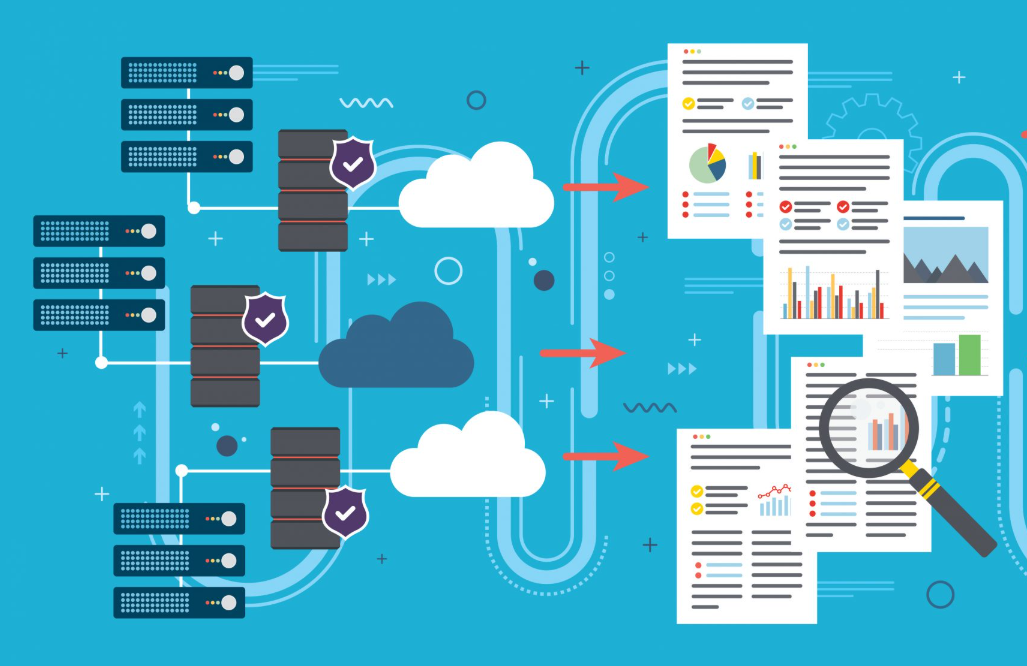
Cloud platforms provide scalable infrastructure for big data analytics, reducing the need for expensive on-premise systems.
Real-World Applications of Big Data in Business Intelligence
1. Retail Industry
Retailers use big data to:
- Analyze customer purchasing behavior
- Optimize inventory
- Personalize recommendations
2. Healthcare
Big data improves healthcare by:
- Predicting disease outbreaks
- Enhancing diagnostics
- Personalizing treatment plans
3. Finance
Financial institutions use big data for:
- Fraud detection
- Risk management
- Algorithmic trading
4. Marketing
Marketers leverage big data to:
- Segment audiences
- Measure campaign performance
- Optimize advertising strategies
5. Manufacturing
Manufacturers use big data to:
- Improve quality control
- Predict equipment failures
- Optimize production processes
Challenges of Big Data in Business Intelligence
Despite its advantages, big data also presents challenges:
1. Data Privacy and Security
Handling large amounts of sensitive data increases the risk of breaches. Companies must implement robust security measures.
2. Data Quality Issues
Inaccurate or incomplete data can lead to misleading insights. Ensuring data quality is critical.
3. Complexity
Big data systems can be complex to implement and manage, requiring specialized skills.
4. High Initial Costs
Although scalable, initial investments in infrastructure and tools can be significant.
Best Practices for Leveraging Big Data in BI
To maximize the benefits of big data, businesses should:
- Define clear objectives
- Invest in the right tools and technologies
- Ensure data quality and governance
- Build a skilled data team
- Prioritize data security
- Start small and scale gradually
The Future of Big Data in Business Intelligence
The future of BI is closely tied to advancements in big data technologies. Key trends include:
1. Augmented Analytics
AI-driven analytics will automate data preparation and insight generation, making BI accessible to non-technical users.
2. Real-Time and Streaming Analytics
Businesses will increasingly rely on real-time data to make instant decisions.
3. Edge Computing
Processing data closer to its source will reduce latency and improve performance.
4. Data Democratization
More employees will have access to data insights, fostering a data-driven culture.
5. Integration with IoT
The Internet of Things will generate even more data, further expanding big data capabilities.
Conclusion
Big data is not just a trend—it is a fundamental shift in how businesses operate and make decisions. By enabling real-time analytics, predictive insights, and deeper understanding of customers and operations, big data is transforming business intelligence into a powerful strategic tool.
Organizations that embrace big data-driven BI will be better equipped to innovate, compete, and thrive in an increasingly data-centric world. Those that fail to adapt risk being left behind.
As technology continues to evolve, the role of big data in business intelligence will only grow stronger, solidifying its place as the future of smart, data-driven decision-making.