Big Data is not just a technological buzzword; it is actively reshaping industries, improving lives, and transforming the global economy. From healthcare breakthroughs to smarter cities, Big Data use cases are evolving rapidly and creating real-world impact. This article explores the most significant Big Data applications that are changing the world today and why they matter.
What Is Big Data?
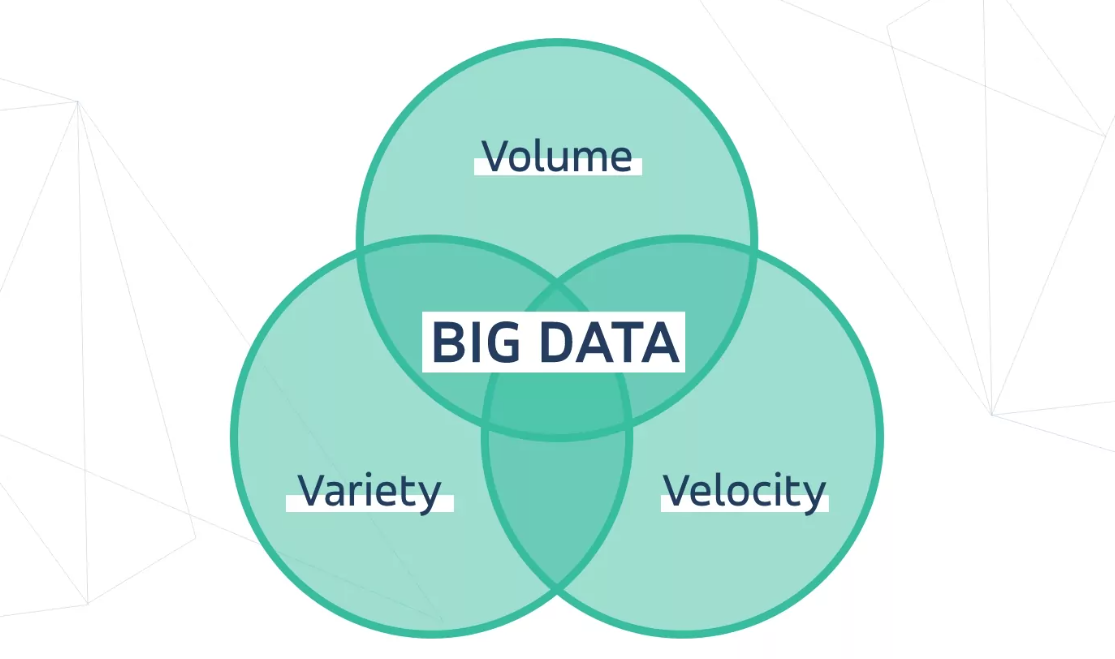
Big Data refers to extremely large datasets that cannot be processed using traditional data-processing tools. It is typically defined by the “3 Vs”:
- Volume: Massive amounts of data generated every second
- Velocity: The speed at which data is created and processed
- Variety: Different types of data (text, images, video, sensor data, etc.)
Advanced technologies such as machine learning, artificial intelligence, and cloud computing enable organizations to extract valuable insights from Big Data.
Why Big Data Matters Today
Big Data is critical because it helps organizations:
- Make data-driven decisions
- Predict future trends
- Improve operational efficiency
- Enhance customer experiences
- Innovate faster
As industries become more competitive, leveraging Big Data is no longer optional—it’s essential.
1. Healthcare Transformation
One of the most impactful applications of Big Data is in healthcare. The industry generates enormous amounts of data from patient records, clinical trials, wearable devices, and medical imaging.
Key Use Cases
Predictive Analytics
Big Data enables doctors to predict diseases before symptoms appear. By analyzing patient history and genetic data, healthcare providers can identify high-risk individuals and take preventive action.
Personalized Medicine
Instead of a one-size-fits-all approach, treatments can now be tailored to individual patients based on their genetic makeup and lifestyle data.
Improved Diagnostics
AI-powered systems analyze medical images and detect diseases like cancer more accurately and faster than traditional methods.
Impact
- Reduced healthcare costs
- Improved patient outcomes
- Early disease detection
2. Financial Services and Fraud Detection
The financial sector relies heavily on Big Data to manage risk, detect fraud, and improve customer service.
Key Use Cases
Fraud Detection
Banks use real-time data analysis to identify suspicious transactions. Machine learning models can detect anomalies and prevent fraud before it happens.
Risk Management
Big Data helps financial institutions assess credit risk by analyzing customer behavior, transaction history, and external data sources.
Algorithmic Trading
Traders use Big Data to analyze market trends and execute trades at optimal times.
Impact
- Increased security
- Better financial decision-making
- Reduced losses due to fraud
3. Retail and E-Commerce Personalization
Retailers are leveraging Big Data to understand customer behavior and deliver personalized shopping experiences.
Key Use Cases
Recommendation Systems
Online platforms analyze browsing and purchase history to suggest relevant products.
Inventory Management
Retailers predict demand using historical data, ensuring products are available when needed.
Customer Segmentation
Businesses group customers based on preferences and behavior to target them more effectively.
Impact
- Increased sales and customer loyalty
- Reduced operational costs
- Enhanced user experience
4. Smart Cities and Urban Planning
Big Data is playing a crucial role in building smarter, more efficient cities.
Key Use Cases
Traffic Management
Real-time data from sensors and GPS devices helps reduce traffic congestion and optimize routes.
Energy Efficiency
Smart grids use data to manage energy consumption and reduce waste.
Public Safety
Authorities analyze crime data to predict and prevent criminal activities.
Impact
- Improved quality of life
- Reduced environmental impact
- Better infrastructure planning
5. Transportation and Logistics Optimization
The transportation industry uses Big Data to streamline operations and improve efficiency.
Key Use Cases
Route Optimization
Logistics companies analyze traffic patterns and weather data to find the fastest routes.
Fleet Management
Real-time tracking helps monitor vehicle performance and reduce maintenance costs.
Demand Forecasting
Companies predict demand to allocate resources effectively.
Impact
- Faster deliveries
- Lower operational costs
- Reduced fuel consumption
6. Education and Personalized Learning
Big Data is transforming education by enabling personalized learning experiences.
Key Use Cases
Student Performance Analysis
Educators track student progress and identify areas where they need improvement.
Adaptive Learning Platforms
Systems adjust content based on a student’s learning pace and style.
Dropout Prevention
Institutions use data to identify students at risk of dropping out and provide support.
Impact
- Improved learning outcomes
- Higher student engagement
- Better educational planning
7. Agriculture and Precision Farming
Agriculture is becoming more efficient and sustainable thanks to Big Data.
Key Use Cases
Crop Monitoring
Farmers use sensors and satellite data to monitor crop health and soil conditions.
Weather Prediction
Accurate forecasts help farmers plan planting and harvesting.
Resource Optimization
Data-driven insights reduce the use of water, fertilizers, and pesticides.
Impact
- Increased crop yields
- Reduced environmental impact
- Lower farming costs
8. Media and Entertainment
Big Data is reshaping how content is created, distributed, and consumed.
Key Use Cases
Content Recommendation
Streaming platforms suggest movies and shows based on user preferences.
Audience Analysis
Producers analyze viewer data to create content that resonates with audiences.
Advertising Optimization
Targeted ads are delivered based on user behavior and interests.
Impact
- Higher viewer engagement
- Increased revenue
- Better content strategies
9. Manufacturing and Industry 4.0
Big Data is a cornerstone of the fourth industrial revolution, also known as Industry 4.0.
Key Use Cases
Predictive Maintenance
Machines are monitored in real time to detect potential failures before they occur.
Quality Control
Data analysis ensures products meet quality standards.
Supply Chain Optimization
Manufacturers track materials and shipments to improve efficiency.
Impact
- Reduced downtime
- Improved product quality
- Lower production costs
10. Environmental Protection and Climate Change
Big Data is helping scientists and organizations tackle environmental challenges.
Key Use Cases
Climate Modeling
Researchers analyze vast datasets to understand climate patterns and predict future changes.
Disaster Prediction
Early warning systems use data to predict natural disasters like hurricanes and earthquakes.
Wildlife Conservation
Data tracking helps protect endangered species and monitor ecosystems.
Impact
- Better disaster preparedness
- Improved environmental policies
- Enhanced conservation efforts
Challenges of Big Data
Despite its benefits, Big Data comes with challenges:
Data Privacy and Security
Handling large amounts of sensitive data raises concerns about privacy and cybersecurity.
Data Quality
Inaccurate or incomplete data can lead to poor decisions.
Integration Complexity
Combining data from multiple sources can be difficult.
Skills Gap
There is a growing demand for skilled data professionals.
The Future of Big Data
The future of Big Data looks promising as technology continues to evolve. Key trends include:
- Artificial Intelligence Integration: AI will enhance data analysis capabilities
- Edge Computing: Processing data closer to its source
- Real-Time Analytics: Faster decision-making
- Data Democratization: More people will have access to data tools
Big Data will continue to drive innovation and shape industries in ways we are only beginning to understand.
Conclusion
Big Data is no longer just a concept—it is a transformative force that is reshaping the world across multiple sectors. From healthcare and finance to agriculture and smart cities, its applications are vast and impactful. Organizations that embrace Big Data can gain a competitive edge, improve efficiency, and deliver better outcomes.
As technology advances, the importance of Big Data will only grow. Understanding its use cases and potential is essential for anyone looking to stay relevant in today’s data-driven world. By leveraging Big Data responsibly and effectively, we can create a smarter, more efficient, and more sustainable future.
Final Thoughts
The true power of Big Data lies not just in collecting information, but in turning it into actionable insights. As more industries adopt data-driven strategies, the possibilities are endless. Whether it’s saving lives, improving businesses, or protecting the planet, Big Data is undoubtedly one of the most powerful tools shaping our modern world.